
If there is any chance of contact, yes. And a custom-fitted mouthguard made by a dentist protects better than anything you can buy over the counter. The Australian Dental Association’s position is direct: “the most effective protection against oral damage is a custom fitted mouthguard, where precision fit and quality materials offer maximum comfort & injury prevention”.
The part that usually gets left out is the honest comparison, which we come to below.
Which sports actually need one
More than people assume. The ADA’s oral health service notes that it is “not only contact sports like rugby union, rugby league, AFL, hockey and boxing” that cause these injuries. It lists cricket, basketball, netball, touch football, skateboarding and soccer as sports that can also damage teeth and mouths.
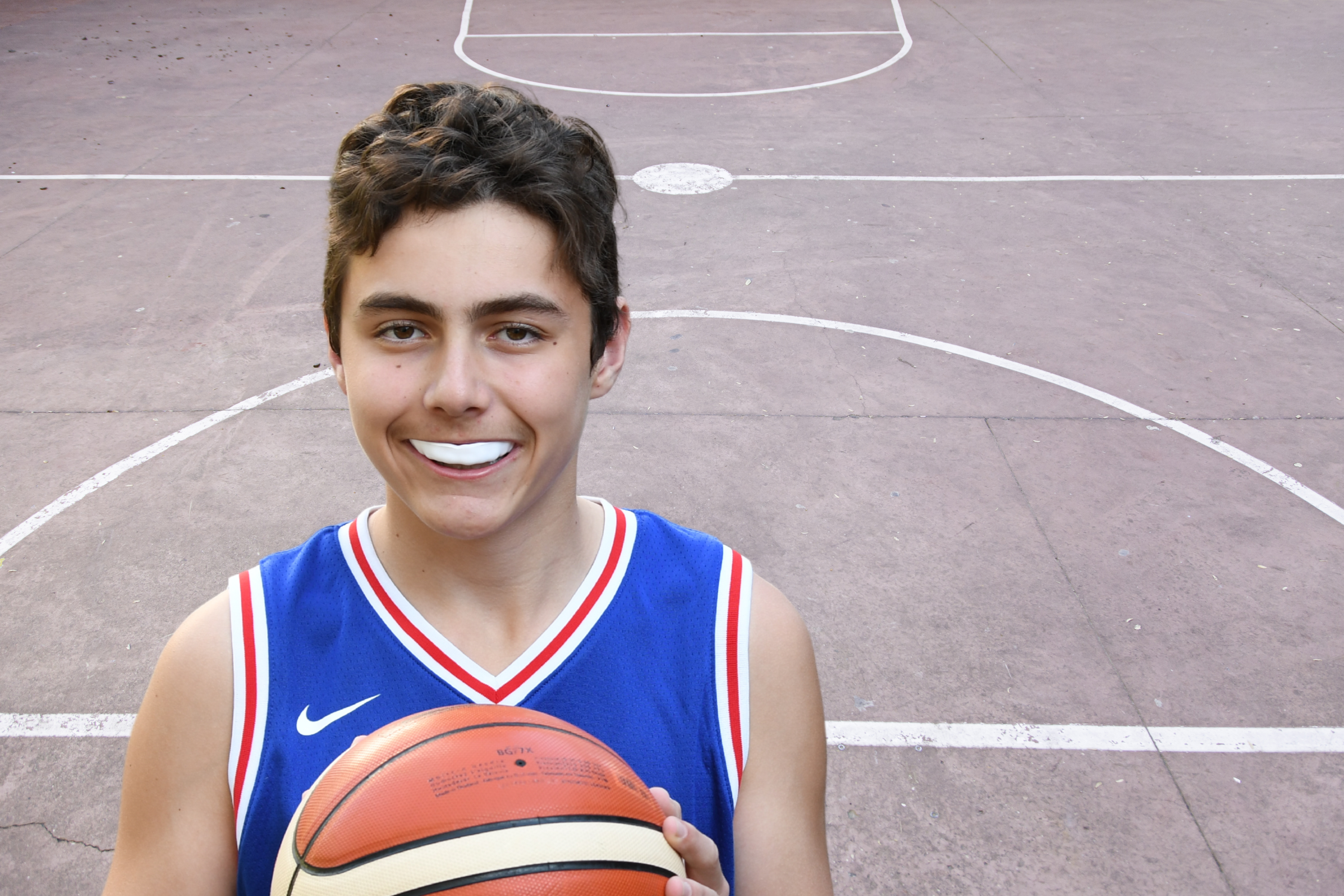
Netball and basketball are the ones parents most often dismiss. Neither is a contact sport on paper. Both involve elbows at head height and a hard ball arriving at speed.
What a custom mouthguard does differently
A custom guard is made to the shape of your teeth and mouth alone. The ADA describes store-bought alternatives plainly: they “often fit poorly which can make them loose inside your mouth. This can make talking and breathing difficult”, and they do not provide the same level of protection.
Fit is not a comfort preference here. A loose guard moves on impact, and a guard that has moved is not where the force lands. It also gets taken out, which is the most common failure of all: the guard that lives in the sports bag protects nothing.
The honest position on chemist mouthguards
Plenty of dental articles say never wear a boil-and-bite guard. The ADA’s actual policy is more useful than that.
So the practical reading is this. If the choice on Saturday morning is a chemist guard or nothing, wear the chemist guard. It is better than bare teeth. What it is not is a sensible plan for a whole season, because the protection you get depends entirely on how well that particular product happened to mould, and you have no way of checking.
How a custom one is made
Your dentist takes a mould or a 3D scan of your teeth, and that is used to make a guard that fits firmly and comfortably around your teeth and gums.

One detail worth knowing: the ADA suggests having a check-up first, “to make sure no other dental treatment is needed before your mouthguard is made”. A guard moulded around a tooth that needs work will not fit once that work is done.
Looking after it, and when to replace it
The ADA’s care advice is simple: do not store it in direct sunlight, wash it in cool or warm water, and keep it dry in a protective case.
On lifespan, it says a mouthguard can last multiple sporting seasons with proper care, “as long as you are no longer growing”.
That qualifier is the important part for families. An adult’s guard may last several seasons. A child’s will not, because their jaw and teeth are still changing underneath it. A guard that fitted last season may be too loose to do its job this one, and a child is unlikely to tell you that. It is worth having it checked at the start of each season rather than at the end of one.
Frequently asked questions
Do I need a mouthguard for non-contact sport?
Often yes. The ADA lists cricket, basketball, netball, touch football, skateboarding and soccer alongside the obvious contact sports as activities that can damage teeth and mouths. The question is not whether a sport is officially contact, but whether elbows, sticks, balls or falls are likely. If they are, wear one.
Are chemist mouthguards any good?
They are better than nothing, which is what the ADA policy says, but their protection varies with the design, comfort, adaptation and thickness of the product. A poorly moulded one can be loose, interfere with talking and breathing, and shift on impact. Use one as a stopgap if you must, not as a season-long plan.
How long does a custom mouthguard last?
The ADA indicates a well-cared-for mouthguard can last several sporting seasons, provided you are no longer growing. Keep it out of direct sunlight, wash it in cool or warm water, and store it dry in its case. Heat is what warps them, so the car dashboard is the fastest way to ruin one.
Does my child need a new mouthguard every season?
Possibly, and it should at least be checked. The “no longer growing” condition is the deciding factor: a growing child’s teeth and jaw change under the guard, so a fit that was right last year may be loose now. Have it looked at before the season starts rather than after a knock.
Getting one fitted in Warrawong
A custom mouthguard is one appointment and an impression, and it is considerably cheaper than repairing a front tooth. King Street Dental makes custom mouthguards at its Warrawong practice, including for children who need refitting as they grow.
Worth reading alongside this: what to do if a tooth is knocked out, because the first thirty minutes decide whether it can be saved.
This article is general information, not advice about your own circumstances. Ask a dentist what suits your sport, your age and your teeth.